There’s nothing quite like the satisfying clink of fresh ice cubes tumbling into a glass. But what happens when you reach into your ice bin, expecting perfect, individual cubes, and instead find a single, stubborn iceberg? It’s a common frustration that can turn a refreshing moment into a chipping and stabbing session with a spoon. Understanding how to keep ice from clumping in an ice maker is the key to ensuring you always have ready-to-use, perfectly formed ice. As the experts behind The World of Ice Makers, we’re here to break down the science of clumping and give you the ultimate guide to keeping your cubes separate and pristine.
This isn’t just about a minor inconvenience; it’s about getting the most out of your appliance, whether it’s a compact portable unit, a built-in undercounter model, or the dispenser on your refrigerator. Let’s dive in and solve this icy problem for good.
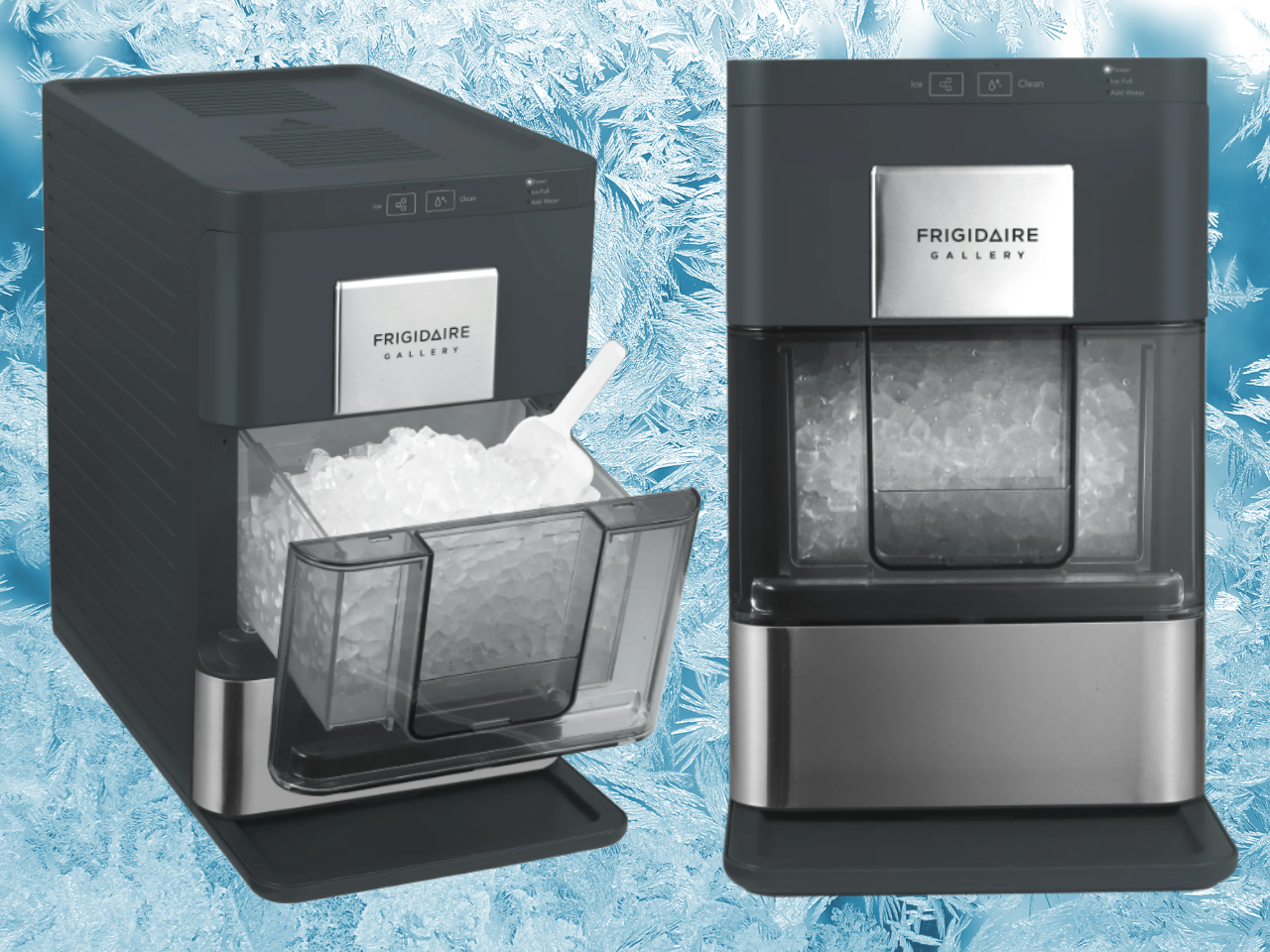
Why Does My Ice Clump Together Anyway?
Before we get to the solutions, it helps to understand the “why.” Ice clumping is rarely a sign of a completely broken machine. More often, it’s a result of a simple process that happens inside your freezer: the freeze-thaw cycle.
Even in a well-functioning freezer, slight temperature fluctuations occur. When the temperature rises just a tiny bit, the surface of the ice cubes melts ever so slightly. When the temperature drops again, this thin layer of water refreezes, acting like glue and bonding the cubes together. This process, known as sublimation and refreezing, is the primary culprit.
Several factors can accelerate this clumping process:
- Infrequent Use: If you don’t use your ice often, the cubes sit in the bin for longer, giving them more opportunities to go through these micro-thaw-and-refreeze cycles.
- High Humidity: Every time you open the freezer door, you introduce warm, moist air. This moisture condenses on the cold ice cubes, freezes, and strengthens the bonds between them.
- Incorrect Freezer Temperature: A freezer that’s too warm or has an inconsistent temperature will cause more melting and refreezing.
Your Action Plan: How to Keep Ice From Clumping in an Ice Maker
Ready to reclaim your ice bin? Here are the most effective strategies, starting with the easiest and moving to more technical troubleshooting.
1. Use Your Ice More Often (The “First In, First Out” Rule)
This is the simplest and most effective solution. The more you use your ice, the less time it has to sit and clump. By constantly depleting the supply, you ensure that the ice maker is replenishing it with fresh, separate cubes. Think of it as giving your ice bin a regular refresh. If you know you won’t be using ice for a while (like during a vacation), it’s a good idea to turn the ice maker off and empty the bin.
2. Give the Bin a Good Shake
Sometimes, a little manual intervention is all you need. Once or twice a week, pull out the ice bin and give it a vigorous shake. This physically breaks up any light bonds that have started to form before they can become a solid mass. You can also use a plastic or wooden spoon to stir the ice around. Avoid using a metal utensil or an ice pick, as you could easily crack the plastic bin.
3. Dial in Your Freezer Temperature
Your freezer’s temperature is critical. The ideal temperature for a freezer is 0°F (-18°C). If it’s set much higher, you’ll experience more surface melting. If it’s set drastically lower, it can sometimes cause issues with the ice maker’s harvest cycle.
“In my 15 years as an appliance technician, I’ve found that inconsistent temperature is the number one cause of ice clumping. People often overlook it. A cheap freezer thermometer is a fantastic investment. Place it in the freezer for a few hours, and you’ll know for sure if your thermostat is accurate.” – Johnathan Carter, Certified Appliance Repair Specialist
4. Break Up With Bad Habits
Small changes in how you use your freezer can make a big difference.
- Don’t leave the door open: Minimize the time the freezer door is open to prevent warm, moist air from getting in.
- Check the door seal: A faulty or dirty door gasket can let cold air escape and warm air in, leading to temperature fluctuations. Wipe it down regularly and check for any cracks or tears.
- Let food cool down: Avoid placing hot leftovers directly into the freezer. The steam they release will raise the humidity and contribute to clumping.
Could My Ice Maker Itself Be the Problem?
If you’ve tried all the tips above and are still getting a solid block of ice, there might be a mechanical issue with the ice maker unit itself. Here are a few common culprits.
A Leaky Water Inlet Valve
The water inlet valve is what controls the flow of water into the ice maker’s mold. If it’s faulty or doesn’t close completely after filling the mold, water will slowly drip into the ice bin. This excess water freezes over the existing cubes, creating a giant, solid mass. This often results in an “ice slab” at the bottom of the bin.
A Faulty Ice Level Sensor
Most ice makers have a sensor—either a metal feeler arm or an infrared beam—to detect when the bin is full. If this sensor is broken or blocked by a stray ice cube, the ice maker won’t know when to stop. It will continue to produce ice, overfilling the bin and causing the cubes to fuse together under pressure.
An Issue with the Harvest Cycle
The “harvest cycle” is the process where the ice maker ejects the frozen cubes from the mold. It does this by slightly warming the mold to release the cubes. If this warming element is too hot or runs for too long, the ejected cubes will be excessively wet, causing them to stick together immediately upon landing in the bin.
Proactive Care: Your Anti-Clumping Checklist
Preventing a problem is always better than fixing one. Follow this simple maintenance checklist to keep your ice maker running smoothly.
- [ ] Empty and Wash the Bin Monthly: Take the ice bin out, discard any old ice, and wash it with warm, soapy water. This removes any ice shards and frost that can contribute to clumping. Make sure it’s completely dry before putting it back.
- [ ] Change Your Water Filter: If your refrigerator has a water filter, change it according to the manufacturer’s recommendation (usually every six months). A clogged filter can reduce water flow, leading to smaller, misshapen cubes that are more prone to sticking.
- [ ] Inspect the Water Line: Check the water line leading to your ice maker for any kinks or leaks that could be disrupting the water supply.
- [ ] Wipe Down the Sensors: Gently wipe down the ice level sensor (feeler arm or optical sensors) to ensure they are clean and can function correctly.
Frequently Asked Questions (FAQ)
Q: Can the type of water I use affect ice clumping?
A: Yes, it can. Water with a high mineral content (hard water) can sometimes lead to cloudy ice that may have a different surface texture, potentially affecting how it clumps. Using filtered water generally produces clearer, harder cubes that may be less prone to sticking.
Q: Is it normal for new ice cubes to stick together a little bit?
A: Absolutely. When a fresh batch of ice drops from the mold, the cubes are slightly wet. It’s perfectly normal for a few of them to stick together as they settle in the bin. The real problem is when they form a large, solid block that’s difficult to break apart.
Q: My portable ice maker’s cubes are always wet and clumpy. Why?
A: This is a common characteristic of portable ice makers. Unlike freezer models, they are not designed for long-term storage in a sub-zero environment. The ice basket is insulated but not actively refrigerated, so the ice begins to melt immediately. This is why the ice they produce is often “wet” and clumps together quickly. They are designed for immediate use.
Q: How often should I completely empty my ice maker bin?
A: For best results and to prevent clumping, it’s a good practice to empty the bin and start fresh every 1-2 months, or sooner if you notice any off-tastes or significant clumping.
Q: What’s the best way to store ice long-term to prevent it from clumping?
A: If you need to store a large amount of ice, the best method is to transfer it from the ice maker’s open bin to sealed freezer bags. Press as much air out of the bags as possible before sealing. This protects the ice from the freezer’s defrost cycles and ambient humidity, keeping the cubes separate for much longer.
Your Path to Perfect Ice Cubes
Achieving a bin full of perfect, individual ice cubes isn’t a matter of luck; it’s a matter of understanding and maintenance. By using your ice regularly, ensuring your freezer is at the optimal temperature, and performing basic upkeep, you can easily master how to keep ice from clumping in an ice maker. Say goodbye to the ice-berg in your freezer and hello to the convenience of flawless ice, ready for every drink, every time. Now go enjoy that perfectly chilled beverage—you’ve earned it.