So, you’ve finally done it. You brought home a shiny new ice maker, and you’re dreaming of endless frosty beverages. But before you plug it in and expect a winter wonderland in your kitchen, let’s be real for a moment. Getting the most out of your machine isn’t just about the unit itself; it’s about the ecosystem you build around it. The right Ice Maker Must Have Accessories can transform a good appliance into a great one, ensuring better-tasting ice, a longer lifespan for your machine, and a whole lot more convenience.
Think of it this way: you wouldn’t buy a high-performance car and then fill it with low-grade fuel, would you? The same principle applies here. From the water that goes in to the way you scoop the ice out, every step matters. In this comprehensive guide, we’ll walk you through the essential gear that will elevate your ice-making game from amateur to pro.
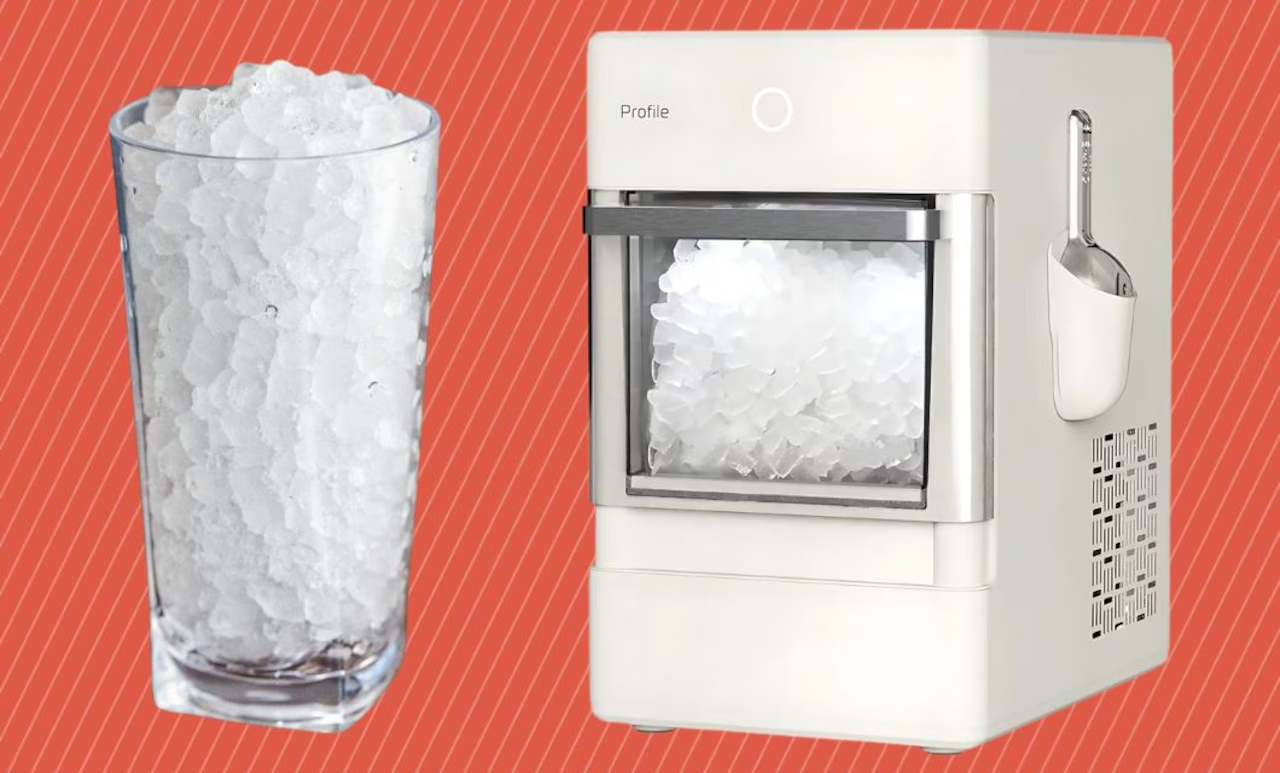
What Are the Absolute Ice Maker Must Have Accessories?
When we talk about “must-haves,” we’re not talking about frivolous gadgets. These are the core items that directly impact your ice maker’s performance, the quality of your ice, and the overall ease of use. Neglecting these can lead to funky-tasting ice, frustrating maintenance issues, and even a shorter lifespan for your beloved machine.
1. A High-Quality Water Line Installation Kit
For undercounter and built-in models.
If you have a plumbed-in ice maker, a reliable water line isn’t just an accessory; it’s a necessity. This is the artery that feeds your machine. A cheap, flimsy plastic line is a flood waiting to happen.
- What to look for: Opt for a braided stainless steel hose. It’s far more durable, resistant to kinks and punctures, and gives you peace of mind.
- Why it’s essential: It ensures a steady, uninterrupted water supply, which is critical for consistent ice production. A quality kit will also come with durable brass fittings that create a secure, leak-proof connection. Don’t skimp here—the cost of a quality line is a fraction of the cost of water damage repair.
2. A Dedicated Water Filter
This is arguably the single most important accessory on our list. Your ice is only as good as the water you use to make it, and most tap water is full of impurities, chlorine, and minerals that can ruin the taste and appearance of your ice.
- In-line Filters: These are the most common type for plumbed-in models. They install directly onto the water line before it reaches the ice maker, catching sediment and chemicals.
- Built-in Filters: Some high-end models have internal filter cartridges. These are convenient but be sure to check the replacement cost and availability.
“I see it all the time,” says John Carter, a certified appliance technician with 15 years of experience. “People complain about cloudy, bad-tasting ice, and 90% of the time, the culprit is unfiltered water. A good filter not only improves your ice but also prevents mineral scale buildup, which is the number one killer of ice machines.”
3. A Proper Ice Scoop
Please, for the love of all things sanitary, stop using a drinking glass to scoop your ice. Not only is it a great way to break a glass inside your ice bin (a dangerous nightmare to clean up), but it also introduces germs from your hands directly into your ice supply.
- Material matters: Look for a scoop made of stainless steel or durable, food-grade plastic. Stainless steel is a fantastic choice because it’s non-porous and easy to sanitize.
- Design: A scoop with a comfortable handle and perforated holes is ideal. The holes allow any melted water to drain away, so you’re transferring solid ice, not a slushy mess.
4. An Ice Bin or Bucket
While most undercounter and commercial units come with a built-in bin, this is a crucial accessory for portable countertop models. Relying on the small internal basket is fine for a couple of drinks, but if you’re having a party or just want a ready supply, you need a dedicated storage solution.
- For portable units: A simple, insulated ice bucket is perfect. You can run a few batches from your countertop machine and transfer the ice to the bucket for serving, freeing up the machine to make more.
- For all units: Having a separate bin allows you to transport ice easily from the kitchen to the patio, bar, or wherever the party is.
5. Ice Machine Cleaner and Descaler
Over time, your ice maker will inevitably develop two things: slime (from bacteria and mold) and scale (from mineral deposits like calcium and magnesium). Using a dedicated, nickel-safe ice machine cleaner and descaler is non-negotiable for proper maintenance.
- Cleaner (Sanitizer): Removes slime, mold, and biofilm. This should be done every 3-6 months to ensure your ice is safe and hygienic.
- Descaler: Breaks down and removes hard water mineral buildup. Scale can clog water lines and coat components, forcing your machine to work harder and eventually break down.
Warning: Never use vinegar in ice makers with nickel-plated components (which is most of them). The acid can corrode the plating, causing it to flake off into your ice. Always use a solution specifically designed for ice machines.
Level Up Your Ice Game: Accessories for the Connoisseur
Once you have the essentials covered, you can start exploring accessories that add convenience and unlock new possibilities. These items aren’t strictly necessary, but they make the experience of owning an ice maker that much better.
What can I use to keep my ice from melting?
An insulated ice bucket is your best friend for entertaining. A high-quality, double-walled stainless steel bucket can keep ice frozen for hours, much longer than a standard plastic bin. This means fewer trips back and forth to the machine and more time enjoying your own party.
How do I get crushed ice from my machine?
Unless you own a specialized nugget ice maker, your machine likely produces solid cubes. For cocktails like mint juleps or mojitos that call for crushed ice, you have a couple of options:
- Electric Ice Crusher: If you make a lot of crushed ice drinks, a dedicated countertop crusher is a fast and efficient tool.
- Lewis Bag and Mallet: For the traditionalist, this canvas bag and wooden mallet is the classic bartender’s choice. The canvas absorbs excess water as you crush, resulting in perfect, fluffy, crushed ice.
What if my ice maker is far from a drain?
For undercounter or commercial units installed in a location without a floor drain nearby (like a home bar or office breakroom), a condensate drain pump is a lifesaver. This small pump automatically activates to pump away melted water from the ice bin, preventing overflows and water damage. It’s one of those crucial ice maker must have accessories for non-standard installations.
Frequently Asked Questions (FAQ)
Q1: How often should I replace my ice maker’s water filter?
A: As a general rule, you should replace your water filter every 6 months. However, if you live in an area with particularly hard water or if you notice a drop in ice quality or production speed, you may need to replace it more frequently.
Q2: Can I just use tap water without a filter?
A: You can, but we strongly advise against it. Unfiltered water leads to cloudy, bad-tasting ice and causes significant mineral scale buildup inside your machine. This will require more frequent, intensive cleanings and will ultimately shorten the life of your appliance.
Q3: What’s the best way to store ice long-term?
A: The best way to store ice is in your freezer. Transfer fresh ice from your ice maker’s bin into freezer-safe bags or containers. This prevents the ice from absorbing freezer odors and from clumping together as it would in an open bin.
Q4: My ice tastes like plastic. What’s wrong?
A: A plastic taste is common with new machines. It’s usually from the manufacturing process. The solution is to discard the first few batches of ice and thoroughly clean the unit, including the bin and all water-contact surfaces, with a mild detergent and water before its first real use.
Q5: Why is my portable ice maker not making much ice?
A: This can be due to a few factors. Ensure the unit has adequate ventilation and isn’t in direct sunlight. Check that the water reservoir is full and that the ambient room temperature isn’t too high, as most portable models work best in cooler environments.
Your Ice Maker’s Best Friends
At the end of the day, your ice maker is an investment in convenience and enjoyment. To protect that investment and ensure you get crystal-clear, great-tasting ice every single time, you need the right tools for the job. From a sturdy water line and a powerful filter to a simple, hygienic scoop, these ice maker must have accessories are the key to unlocking your machine’s full potential. Don’t treat them as an afterthought; treat them as an integral part of your ice-making setup. Now go on, and enjoy that perfectly chilled drink—you’ve earned it.