Ever think about that little workhorse in your kitchen or office? Your ice maker. It hums along quietly, churning out perfect, frosty cubes on demand, asking for very little in return. But here’s the thing: neglect is its worst enemy. If you’ve been wondering How To Maintain Ice Maker For Long Life, you’ve landed in the right place. Think of this not as a chore, but as a small investment to protect your machine and ensure every drink is perfectly chilled with clean, fresh-tasting ice for years to come.
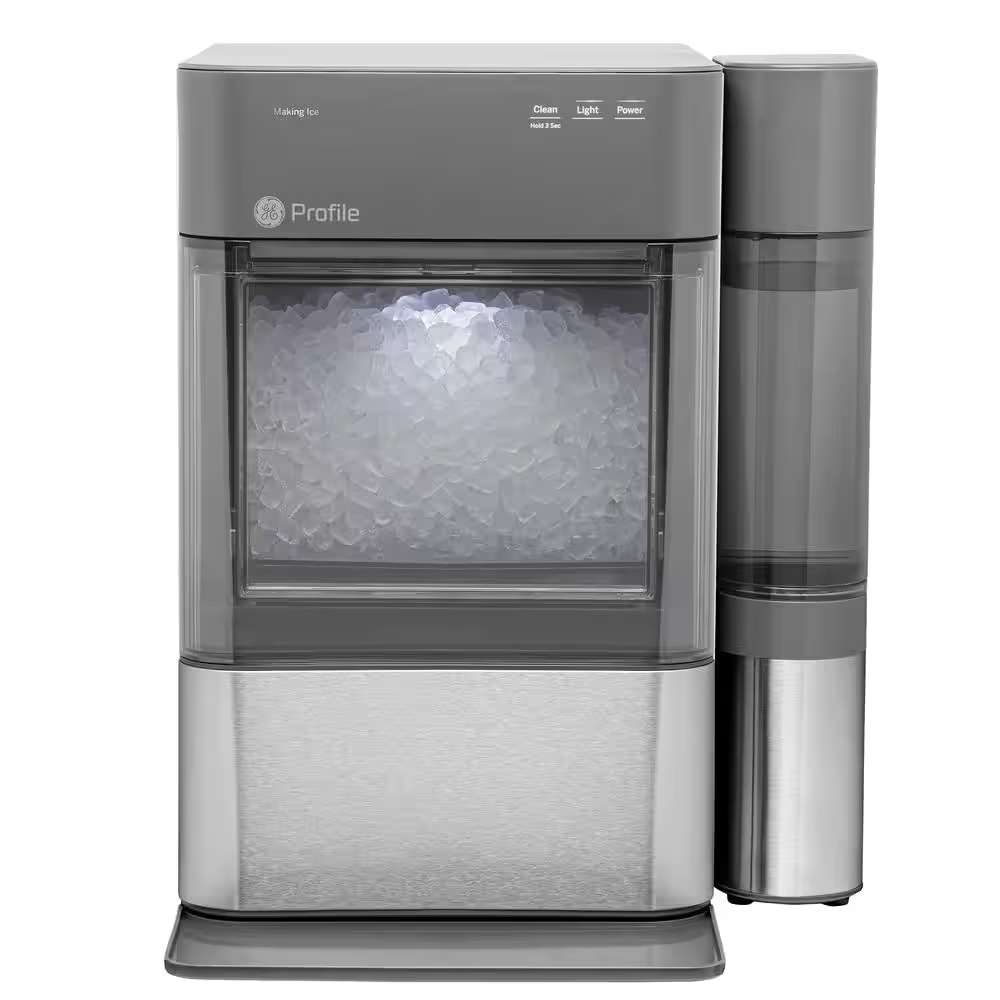
Why Regular Maintenance is Non-Negotiable
Let’s get real for a second. Would you drive your car for years without an oil change? Of course not. Your ice maker, while simpler, operates on a similar principle: it’s a machine with moving parts, water lines, and a refrigeration system. Over time, things can get… funky.
Without regular care, you’re looking at:
- Bad-tasting ice: Minerals from your water, mildew, and bacteria can build up, leaving your ice with a foul taste and odor.
- Reduced efficiency: A dirty machine has to work harder, using more electricity to produce less ice.
- Costly repairs: Scale buildup can clog water lines and damage critical components, leading to a service call you’d rather avoid.
- A shorter lifespan: A neglected machine will simply give out sooner. Proper maintenance can easily double its operational life.
First, Understand Your Ice Maker’s Heart
Before we dive into the “how,” let’s briefly touch on the “what.” Most ice makers work on a simple refrigeration cycle. Water is pumped into a mold, and a refrigeration system freezes it. Once frozen, a gentle heating element or a mechanical arm releases the cubes into a storage bin. Understanding this helps you appreciate why clean water lines and clear components are so vital.
Common Types of Ice Makers
Your maintenance routine will vary slightly depending on your model:
- Portable/Countertop Ice Makers: These are the plug-and-play heroes of parties and small offices. They’re self-contained and require frequent manual cleaning.
- Undercounter/Built-in Ice Makers: Common in home bars and kitchens, these are plumbed directly into your water supply. They require a bit more attention to filters and drain lines.
- Refrigerator Ice Makers: The most common type, built right into your freezer. They’re convenient but often overlooked during cleaning.
|
Our Picks for the Best ice maker in 2026
As an Amazon Associate, we earn from qualifying purchases.
|
||
| Num | Product | Action |
|---|---|---|
| 1 | EUHOMY Nugget Ice Maker Countertop with Handle, Ready in 6 Mins, 34lbs Per Day, Removable Top Cover, Auto-Cleaning, Portable Sonic Ice Maker with Basket and Scoop, for Home/Party/RV/Camping (Black) |

|
| 2 | Ice Maker Countertop, 9 Cubes Ready in 6 Mins, 26 lbs per Day, Ice Machine with 2 Ice Sizes and Self-Cleaning, Portable Ice Maker with Handle for Home, Kitchen, Camping, RV, Office, Black |
|
| 3 | ZAFRO Countertop Ice Maker, 26.5Lbs/24H, 9 Bullet Cubes in 6 Mins, Self-Cleaning Portable Ice Machine with 2 Ice Sizes (S/L), Quiet Compact Design, Double Handles, for Home, Party, RV, Camping, Green |
|
| 4 | Nugget Countertop Ice Maker with Soft Chewable Pellet Ice, Pebble Portable Ice Machine, 34lbs Per Day, Self-Cleaning, Sonic Ice, One-Click Operation, for Kitchen,Office Stainless Steel Black |
|
| 5 | EUHOMY Countertop Ice Maker Machine with Handle, 26lbs in 24Hrs, 9 Ice Cubes Ready in 6 Mins, Auto-Cleaning Portable Ice Maker with Basket and Scoop, for Home/Kitchen/Camping/RV. (Black) |
|
| 6 | Frigidaire 26 Lbs per Day Portable Compact Maker, Ice Making Machine, Black Stainless, Medium |
|
| 7 | FRIGIDAIRE EFIC101-BLACK Ice Maker Machine for Countertop, 26 lbs, Adjustable Ice Cube Size, Portable Ice Cube Maker for Home/Kitchen/Office/Bar- Black |
|
| 8 | FRIGIDAIRE EFIC189-Silver Compact Ice Maker, 26 lb per Day, Silver |
|
| 9 | Silonn Nugget Ice Maker Countertop, Pebble Ice Maker with Soft Chewable Ice, One-Click Operation Ice Machine with Self-Cleaning, 33lbs/24H for Home,Kitchen,Office |
|
| 10 | EUHOMY Nugget Ice Makers Countertop, Pebble Ice Maker Machine with 35lbs/24H Soft Ice, Self-Cleaning Sonic Ice Maker with Ice Scoop&Basket, Pellet Ice Maker for Home/Kitchen/Office(Stainless Steels) |
|
No matter which type you own, the core principles of cleaning and care are the same.
The Ultimate Checklist: How to Maintain Ice Maker for Long Life
Alright, roll up your sleeves. It’s time to give your ice maker the spa day it deserves. We recommend doing this deep clean every 3-6 months, or more frequently if you have hard water.
- Safety First: Unplug Everything!
This isn’t optional. Before you do anything else, unplug the ice maker from the wall. If it’s a built-in unit, you might need to turn off the corresponding circuit breaker. If it’s connected to a water line, turn off the water supply valve. - Empty It All Out
Remove the ice storage bin and dump any remaining ice. This is a great time to give the bin itself a thorough wash with warm, soapy water. Rinse it well and let it air dry completely. - The Deep Clean: Inside the Machine
This is where the magic happens. Mineral deposits (scale) and biofilm are your main targets.- Create a Cleaning Solution: Mix a solution of equal parts white vinegar and water. For a more potent, manufacturer-approved clean, you can use a specialized nickel-safe ice machine cleaner. Never use harsh chemicals like bleach, which can damage the machine’s internal parts and leave a dangerous residue.
- Run a Cleaning Cycle: If your machine has a “Clean” or “Wash” cycle, follow the manufacturer’s instructions to run the solution through it.
- Manual Scrub: If you don’t have a cleaning cycle, use a soft cloth or sponge soaked in your cleaning solution to wipe down every single surface inside the machine. Pay close attention to the water reservoir and the ice-making mechanism. A soft-bristled toothbrush can help you get into tight corners.
- Rinse, Rinse, and Rinse Again: After cleaning, you need to flush the system thoroughly. Run 2-3 cycles with fresh, clean water, discarding the ice produced each time. This ensures no vinegary taste lingers.
- Don’t Forget the Outside
Wipe down the exterior with a damp cloth. For stainless steel models, use a proper stainless steel cleaner to keep it looking sharp and fingerprint-free. - The Unsung Hero: The Water Filter
Does your ice maker have a water filter? Most built-in and refrigerator models do. This filter is your first line of defense against minerals and impurities.- Check the schedule: Most filters need to be replaced every 6 months. Mark it on your calendar!
- The taste test: If your ice starts tasting off, a clogged filter is the most likely culprit.
- For Built-in Models: Clean the Condenser Coils
Just like your main refrigerator, built-in ice makers have condenser coils that release heat. Over time, they get covered in dust and pet hair, forcing the compressor to work overtime.- Locate the coils (usually behind a front grill or at the back).
- Use a vacuum cleaner with a brush attachment to gently remove all the dust and debris. This single step can dramatically improve efficiency and prevent overheating.
“I see it a thousand times a year,” says David Chen, a certified appliance repair technician with 15 years of experience. “A customer calls about a dead ice maker, and when I pull it out, the condenser coils are caked in a solid blanket of dust. A five-minute vacuuming job once a year could have saved them a $300 repair bill. It’s the most overlooked part of knowing how to maintain ice maker for long life.”
Pro Tips for Crystal-Clear Ice and a Happy Machine
What kind of water should I use in my ice maker?
For the absolute best results, especially with portable models, use filtered or distilled water. This drastically reduces mineral buildup (scale), meaning you’ll have to clean less often, and your ice will be clearer and taste purer.
How often should I fully clean my ice maker?
A good rule of thumb is every 3 to 6 months. However, if you have very hard water or if the machine gets heavy use, you may want to clean it every 2 months. Pay attention to the ice—if it starts looking cloudy or tasting funny, it’s time for a clean.
Spotting Trouble Before It Starts
Your machine will often give you warning signs. Keep an eye (and ear) out for:
- Smaller or misshapen cubes: This can indicate a clogged water line or a dirty evaporator.
- Slow ice production: Often a sign of dirty condenser coils or a failing component.
- Strange noises: Any new grinding or loud humming noises warrant an immediate investigation.
- Bad taste or smell: This is a clear sign that a deep clean is long overdue.
Frequently Asked Questions
Q: Can I just use bleach to clean my ice maker?
A: Absolutely not. Bleach can degrade the plastic and metal components inside your machine. More importantly, it can leave behind harmful residues that will contaminate your ice. Stick to a vinegar-water solution or a cleaner specifically designed for ice makers.
Q: My ice maker is making hollow or “wet” cubes. What’s wrong?
A: This is often caused by a dirty or clogged water supply line or a malfunctioning water inlet valve. It means not enough water is getting to the ice mold during a freeze cycle. A full cleaning cycle often resolves this.
Q: How do I get rid of the “plastic” taste from a new ice maker?
A: This is common with new machines. Before your first use, run a cleaning cycle with a vinegar-water solution, followed by 2-3 cycles with fresh water. Discard all the ice made during this initial process. This should remove any residual manufacturing oils.
Q: Why is my portable ice maker leaking water?
A: The most common cause is a cracked water reservoir or a dislodged drain plug. Unplug the machine, empty it, and carefully inspect the reservoir for any cracks. Ensure the drain plug at the bottom is secure and the rubber seal is intact.
Q: What should I do with my ice maker if I go on vacation?
A: If you’ll be gone for more than a few days, it’s best to turn off the machine, discard all the ice, and wipe the inside dry. For portable units, drain all the water out. This prevents mildew and mold from growing while you’re away.
Your Partner in Perfect Ice
There you have it. Learning how to maintain ice maker for long life isn’t complicated. It’s about creating a simple, consistent routine. By spending just 30 minutes every few months, you’re not just cleaning an appliance; you’re ensuring better-tasting drinks, lower energy bills, and a reliable source of crystal-clear ice for many years to come. Now, go show that hard-working machine some love. It’s earned it.